Rental turnover painting in Atlanta usually takes one to three days per unit: walls are patched, stains are blocked, and the unit is repainted in the property's standard color and sheen, with doors, trim and cabinet touch-ups as needed. Calls are answered around the clock, so a turn can be scheduled the day a tenant hands back the keys.
Updated September 2026
How a turnover repaint differs from a home repaint
A turnover is about speed and consistency. Landlords and property managers usually use one wall color and one trim color across units so touch-ups match and turns are simple. We keep those colors on file, bring the right paint on the first visit and skip the decisions a homeowner job needs.
The prep is the same honest work: patching nail holes and wall damage, blocking marker, smoke and water stains so they do not bleed through, and caulking cracked trim. What changes is scheduling. We start as soon as the unit is empty, work in an order that lets cleaners and other trades follow right behind, and send photos when the unit is done.
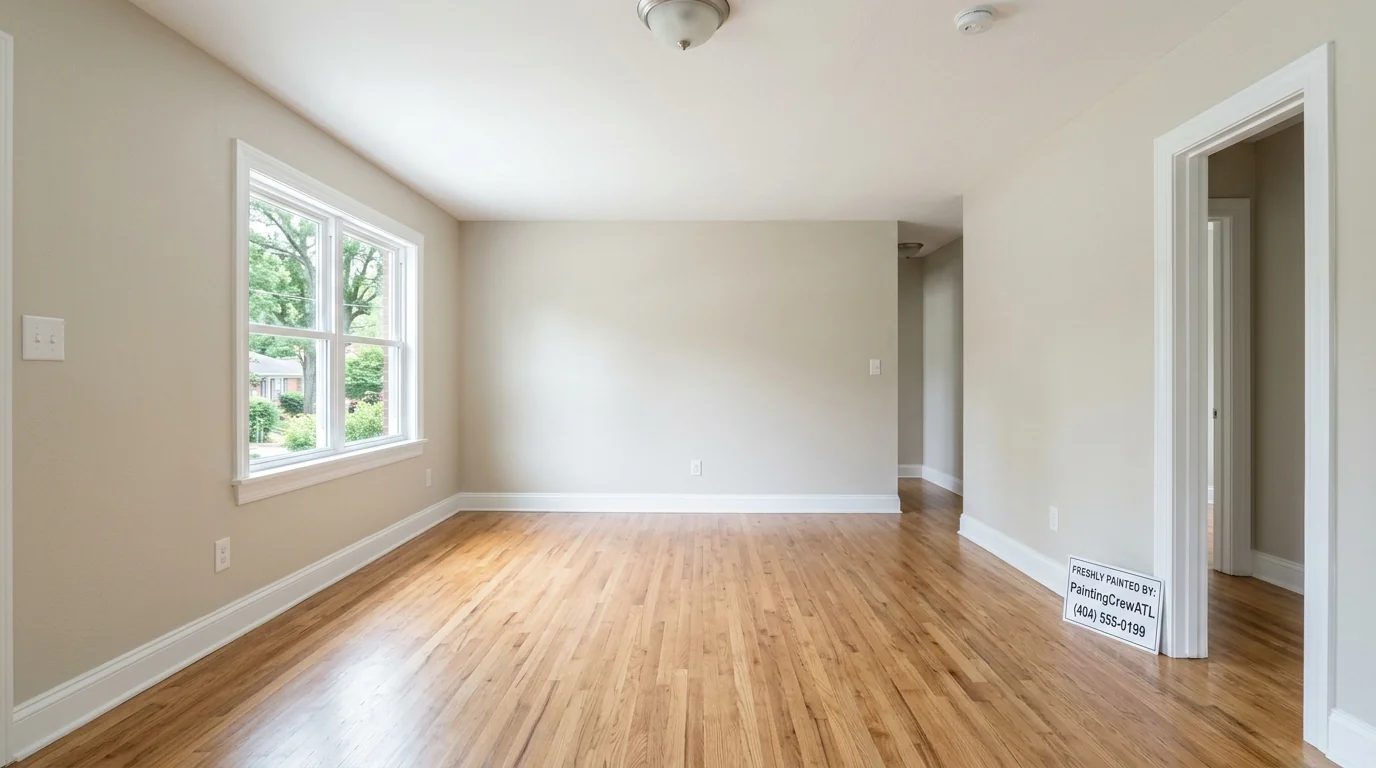
Unit turn repaint
A full unit repaint covers walls, and often ceilings and trim, in the property's standard color. Patching comes first, then a stain-blocking primer on any marks, then one or two coats depending on how worn the walls are. A one-bedroom apartment can often be painted in a day; larger units and houses take two or three. When the previous tenant painted a bold color, we prime it first so the standard color covers evenly. We work around flooring and cleaning schedules so the unit moves through the turn without waiting on paint.
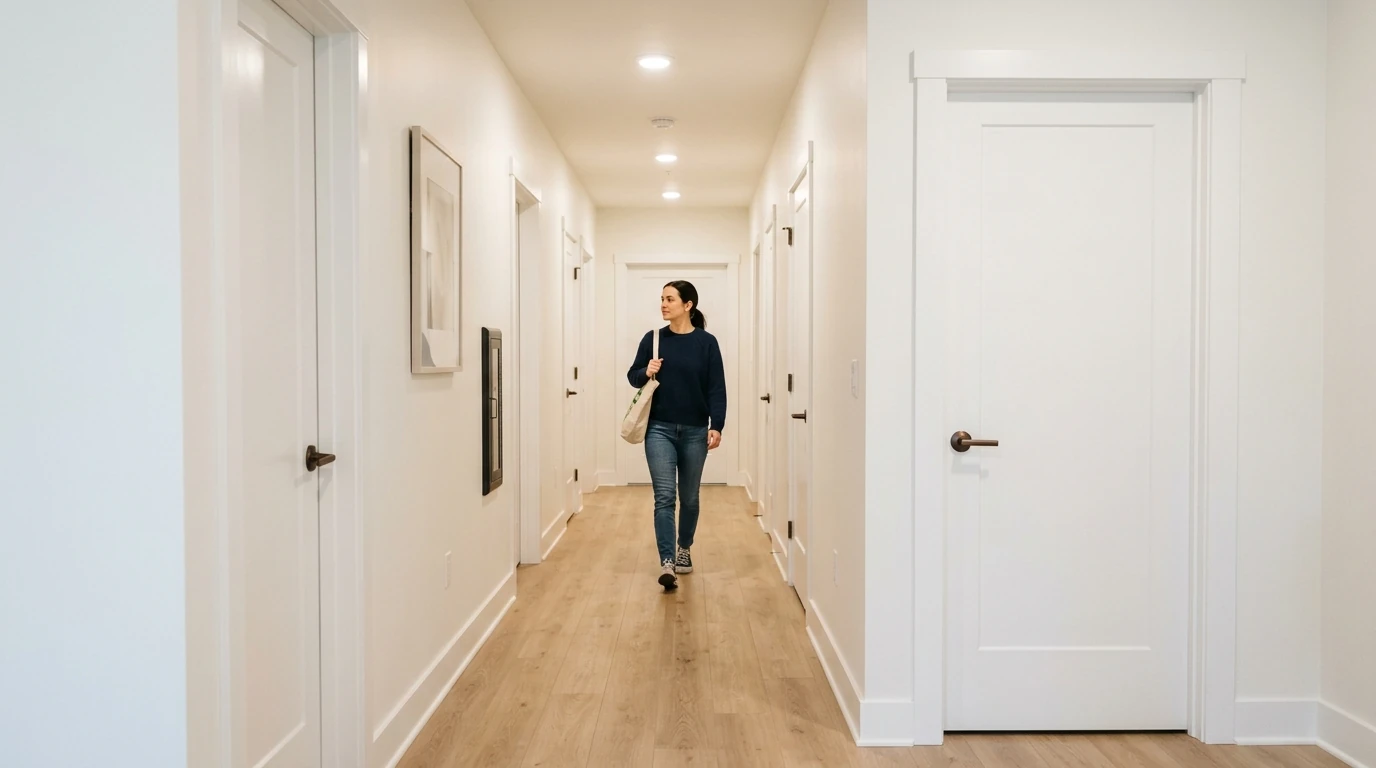
Common area and hallway painting
Hallways, stairwells and lobbies are the first thing prospective tenants see. They take scuffs from moving furniture and daily traffic, so they get a washable eggshell or satin finish and durable enamel on handrails and doors. Common areas are painted during low-traffic hours, sections are roped off with signs, and fast-drying low-odor products keep the building usable. Painting common areas on a regular cycle, rather than only when they look worn, keeps the property looking cared for. Handrails and stair nosings are sanded before enamel so the new coat does not chip at the first move-in.
Cabinet and door touch-ups
Not every turn needs a full repaint. Kitchen cabinets with worn edges, doors with scuffs and closet doors with dents can be touched up or repainted on their own. We fill dents, sand, prime bare spots and repaint in the standard enamel so touched areas blend. Cabinet boxes and doors in rentals are often painted in place to keep the turn short, with the finish left to cure before the unit is shown. This is also a good time to replace worn hinges and pulls, which we can do while the doors are off.
How we turn a unit
- 1
Take the call
We confirm the unit, the standard colors and the date it is empty.
- 2
Walk the unit
Damage, stains and any color changes noted and priced.
- 3
Patch and block
Holes filled, stains primed, trim caulked.
- 4
Paint
Walls in the standard color, ceilings and trim as agreed.
- 5
Doors and cabinets
Touch-ups or repaints in the standard enamel.
- 6
Clean up
Floors and fixtures left clean for the next trade.
- 7
Photos and handoff
Photos of the finished unit sent once it is done.
How long a unit is off the market
Most one- and two-bedroom apartments are painted in one to two days, and small houses in two to three. Units with heavy damage, smoke staining or bold tenant colors take longer because of priming. We tell you the finish date on the walk-through.
What we see on Atlanta homes
Summer humidity is the practical limit on a fast turn here. Atlanta's hot, wet summers with afternoon thunderstorms slow how quickly paint dries, so a unit painted in July can feel tacky longer than one painted in October. We run fans and use fast-drying lines in summer turns. When a rental sits in one of the city's pre-1940 intown houses, scraping old paint on trim or windows is set up with lead-safe containment so paint chips do not end up in the yard or the next tenant's unit.
Full repaint or touch-up
| Factor | Touch-up | Full repaint |
|---|---|---|
| Best for | Short tenancies, minor scuffs, recent full repaint | Long tenancies, heavy wear, stains or color changes |
| Time | Hours | One to three days |
| Blends | Only if the existing paint is recent and the same batch | Always uniform |
| Cost | Lower | Higher, but resets the unit fully |
What changes the cost of a unit turn
Turnover painting is priced per unit, with the condition the last tenant left it in as the main variable.
- Unit size. Number of bedrooms and total wall area.
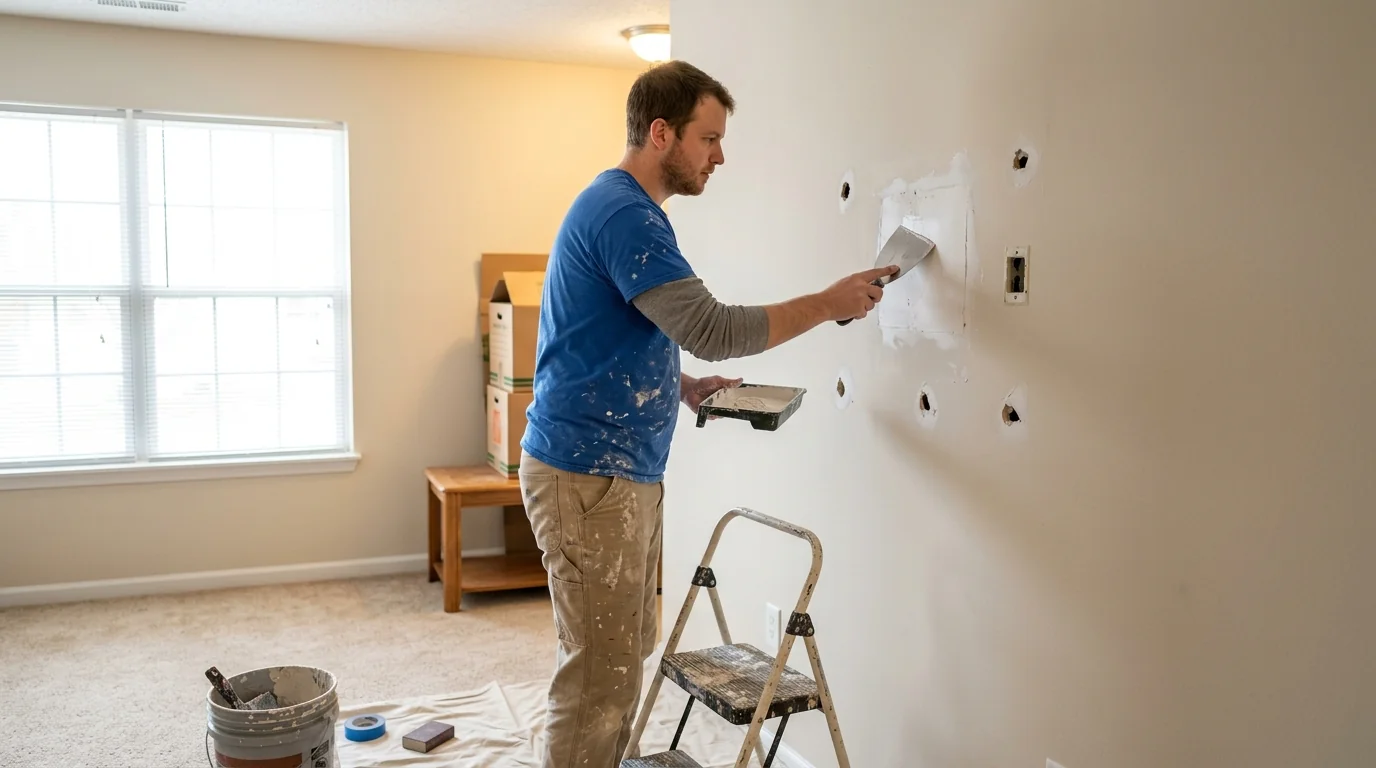
- Wall damage. Holes from mounted TVs, dents and scrapes add patching time.
- Stains. Smoke, marker and water stains need a stain-blocking primer first.
- Color changes. Units painted in bold colors by tenants need priming before the standard color.
- Ceilings and trim. Whether ceilings, trim and doors are in the scope.
- Cabinets and doors. Touch-ups or full repaints on cabinets and interior doors.
- Timing. Rush turns on short notice may need a larger crew.
Questions about apartment and rental turnover painting in Atlanta
Calls are answered 24/7, and we schedule the turn as soon as the unit is empty. Many start within days.
Yes. We record the wall, trim and door colors and sheens for each property.
Yes. We sequence painting so other trades can follow without waiting.
Occasionally, for repairs, with the tenant's agreement. Most rental painting happens between leases.
Yes. Multi-unit and ongoing turn schedules are common.
Yes. See our HOA and multi-family page for community repaints.