Window glazing in older Atlanta homes means removing cracked, loose glazing putty, priming the bare wood of the sash rabbet, bedding new glazing compound around each pane and tooling it smooth, then letting it skin over before painting. Sashes painted shut are cut free, and the whole sash is repainted with the paint lapped slightly onto the glass to seal it.
Updated September 2026
Why old windows fail at the glazing first
The putty that holds each pane of glass in a wood sash dries out and cracks after years of sun. Once it lets go, rain runs down the glass into the sash joints, the wood swells and rots, and the glass rattles in the wind. From inside, the window just feels drafty and stiff.
Reglazing and repainting stops that cycle. It keeps original windows, which are often old-growth wood that outlasts new units when maintained, and it keeps the look of historic houses intact. Because old window paint may contain lead, the prep is set up to contain dust and chips before any putty or paint is removed.
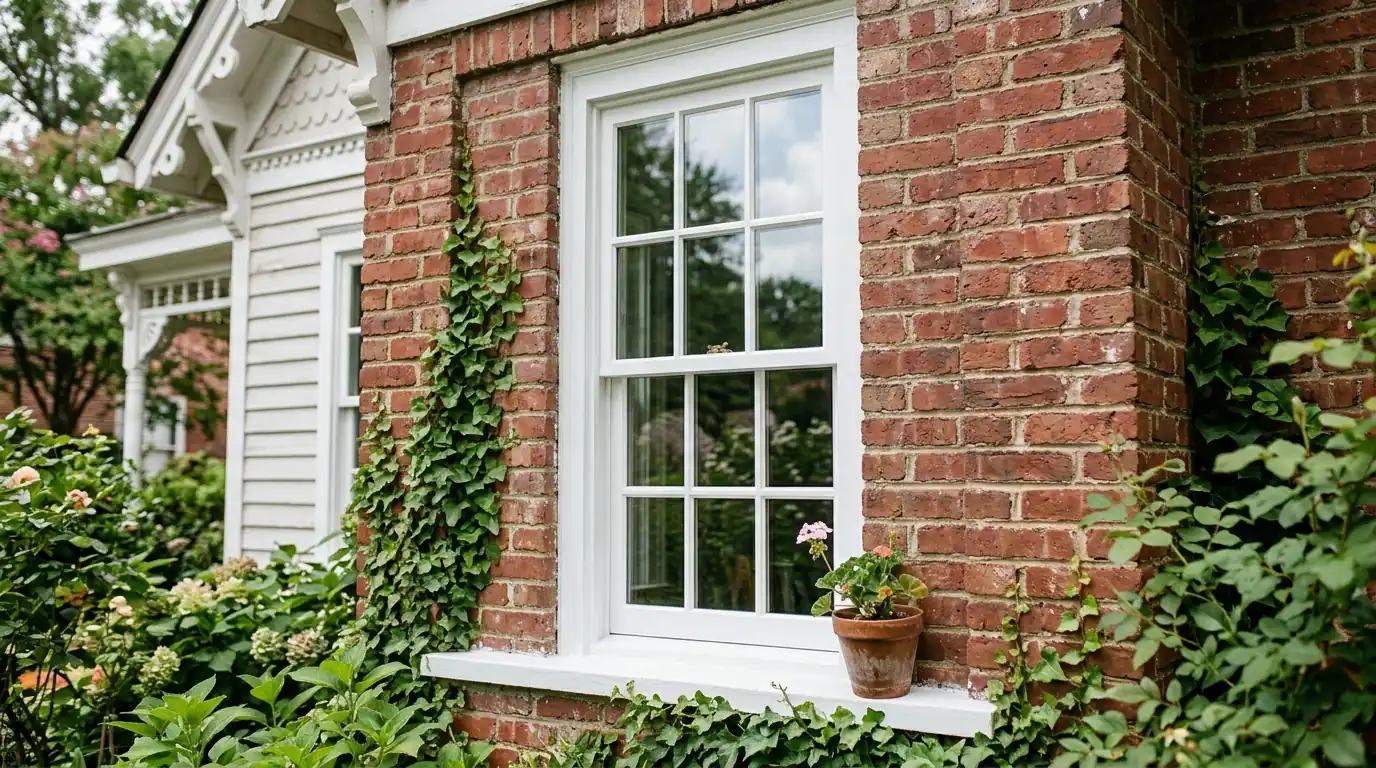
What changes the price of window glazing
Glazing is priced per sash, and the number of panes matters more than window size.
- Number of panes. Divided-light sashes have many panes, each reglazed.
- Putty condition. Hard, stubborn putty takes longer to remove safely.
- Broken glass. Replacement panes add material and time.
- Painted-shut sashes. Freeing stuck windows and checking weights.
- Wood repair. Rotted sash bottoms and sills filled or replaced.
- Lead-safe setup. Old window paint requires containment during prep.
- Access. Second-story windows need ladders or lifts.
Glazing putty replacement
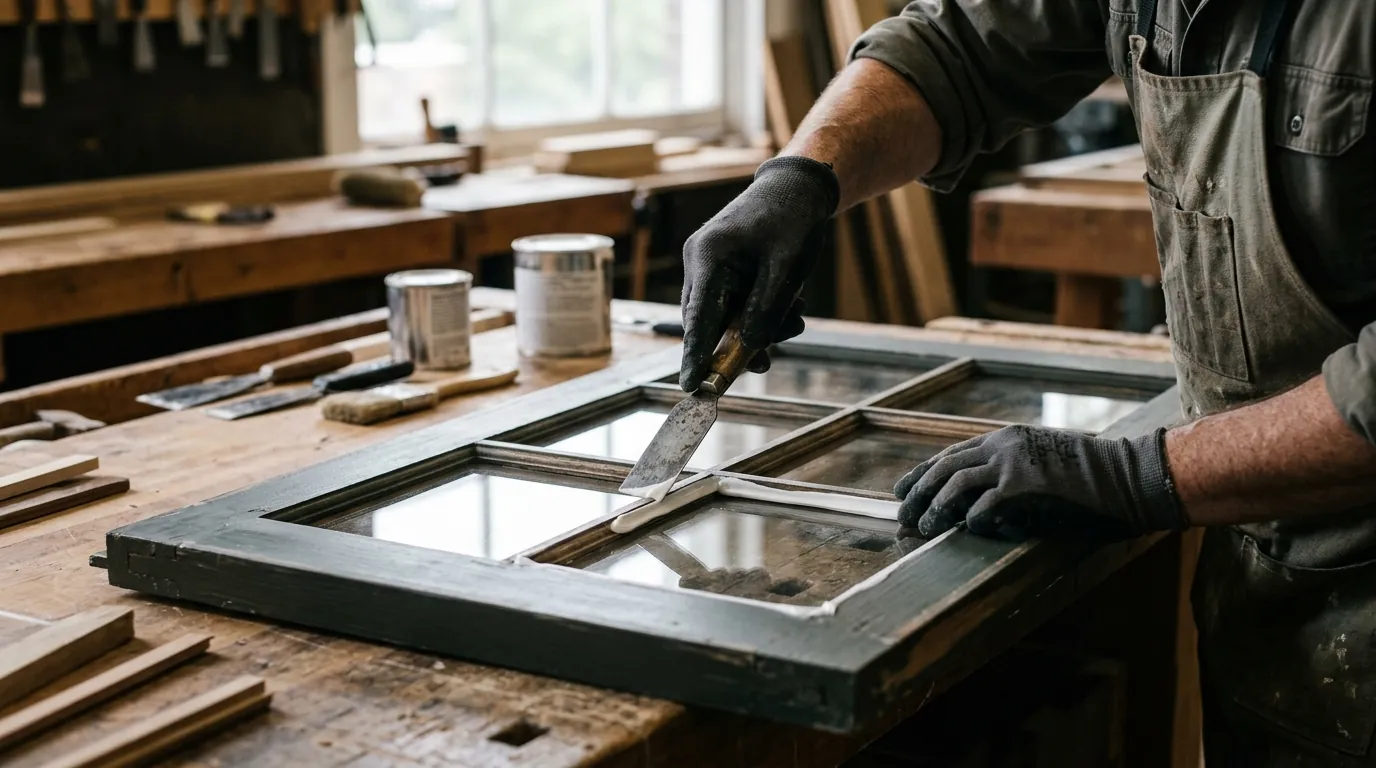
Loose and cracked putty is removed with care so the glass is not broken, using heat only at safe temperatures or softening compounds. The wood where the putty sits is cleaned and primed so new compound bonds instead of drying out. Glazing points are replaced where missing, and new glazing compound is pressed in and tooled to a clean bevel. It needs to skin over before paint, which is why glazing is usually a two-visit job. Cracked panes are replaced at this stage with matching glass.
Sash painting and freeing stuck windows
Many old windows are painted shut. We cut the paint seal along the stops and sash with a window zipper, ease the sash free and check the parting beads and weights or springs. Sashes are sanded, primed and painted with the paint lapped a sixteenth of an inch onto the glass to seal the putty line. The window channels are left unpainted or lightly waxed so the sash slides. Windows that open again are a big improvement in older houses without central air in every room.
Storm window frames
Wood storm windows and screens protect original sashes but need the same care. Frames are scraped, primed and painted, glass and screening are checked, and hardware is freed so storms can be seasonally swapped. Aluminum storm frames can be cleaned and painted with a bonding primer if their color no longer suits the house. Keeping storms in good shape reduces how often the prime windows behind them need glazing. Where storms are missing, we can point you to the right style for the house before the next winter.
Glazing yourself or calling us
Doable for a patient homeowner
- Reglazing one or two ground-floor sashes
- Replacing a few missing glazing points
- Waxing channels on windows that already move
Worth handing off
- Whole-house window work
- Second-story sashes
- Pre-1978 windows needing lead-safe prep
- Sashes with rot or broken glass
The most common DIY mistake is painting glazing compound before it has skinned over, which leaves it soft and wrinkled.
What we see on Atlanta homes
Original wood windows are a defining feature of the older intown houses. The Victorian cottages and two-story Queen Anne houses in Grant Park and Inman Park, built from the 1880s into the early 1900s, and the Tudors in Virginia-Highland with their many-paned windows, all carry glazing that needs renewal every so often. On those windows, keeping the originals preserves the look of the house, and reglazing is usually far less disruptive than replacement.
How long the windows are out of use
Most windows stay in place and in use, closed, during the job. Glazing is done on one visit and painting on a second, several days later, once the compound has skinned. A house with many windows is worked in sections so only a few are being handled at once.
How windows get reglazed and painted
- 1
Inspect
Each sash checked for loose putty, broken glass and rot.
- 2
Contain
Work area set up to catch dust and chips.
- 3
Remove old putty
Loose glazing removed without breaking glass.
- 4
Prime and reglaze
Rabbets primed, points set and new compound tooled.
- 5
Let it skin
Compound left to skin over before paint.
- 6
Paint
Sash primed and painted, lapped onto the glass to seal.
- 7
Free and test
Sashes freed and tested to open and close.
Questions about window glazing and sash restoration in Atlanta
Often, yes. Original wood sashes can last decades more with glazing and paint.
It needs to skin over, often several days, before paint.
Yes. We cut the paint seal and check the sash hardware.
Windows are among the most likely places for lead paint in pre-1978 homes, so prep is contained.
Yes, single panes are replaced during reglazing.
Yes. See our exterior trim and shutter page.