Painting vinyl siding in Atlanta requires a paint formulated for vinyl and a color no darker than the siding maker allows, because dark colors absorb heat and can make vinyl warp. Aluminum siding is washed to remove its chalky oxidation, primed where bare metal shows and painted with an exterior acrylic. Both are cleaned of mildew and pollen first.
Updated September 2026
Why vinyl and aluminum need their own approach
Vinyl siding expands and contracts more than wood, and it softens in heat. A dark color absorbs more sun, which can push the panels past the temperature they were designed for, leading to buckling and waves. That is why vinyl is painted with a vinyl-safe paint line and colors in the same light-to-mid range as the original, unless the manufacturer allows darker.
Aluminum siding has a different problem: its factory finish oxidizes into a chalky powder that rubs off on your hand. Paint over chalk peels, so the chalk has to come off first. Both materials hold paint well once they are clean, dry and painted with the right product.
What changes the price of siding painting
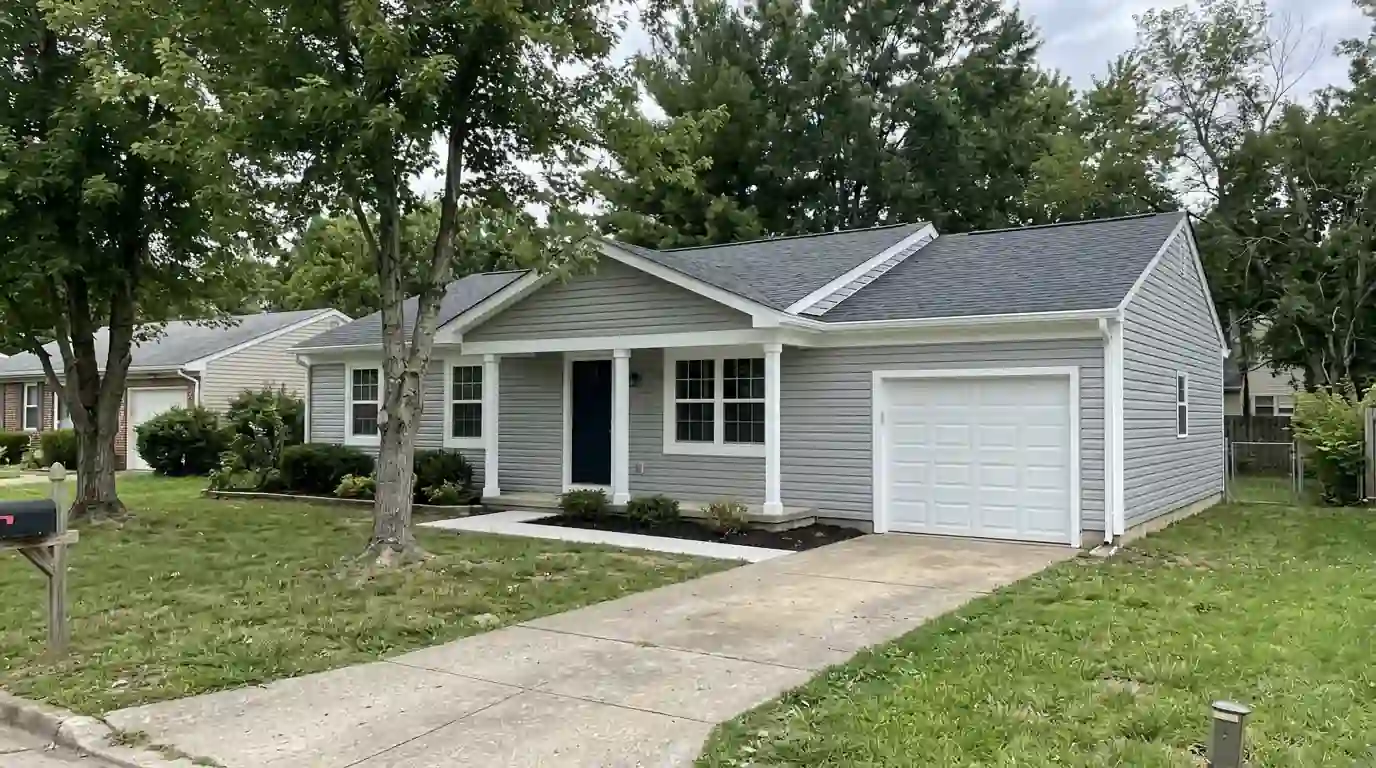
Vinyl and aluminum siding jobs are priced by wall area, height and how much cleaning and repair the siding needs.
- Wall area. Total square footage of siding to be painted.
- Height. Second-story walls and gables need ladders or lifts.
- Chalk and mildew. Heavy oxidation or growth needs more cleaning.
- Panel repairs. Cracked or loose vinyl panels replaced or refastened.
- Color change. Big color changes within vinyl-safe limits may need two full coats.
- Trim and soffits. Whether soffits, fascia wraps and trim are included.
- Bare metal. Spot priming scratches and corners on aluminum.
Painting vinyl or replacing it
| Factor | Paint | Replace |
|---|---|---|
| Cost | A fraction of new siding | Full material and labor |
| Colors | Within vinyl-safe limits | Any color the maker offers |
| Best for | Sound panels that are faded | Cracked, warped or brittle panels |
| Time | A few days | Longer, with tear-off |
Vinyl siding painting
Vinyl siding is washed with a mildew cleaner and rinsed at low pressure, since high pressure can drive water behind the laps. After drying, it is painted with an exterior acrylic made for vinyl, in a color the manufacturer's guidance allows. A primer is usually not needed on clean vinyl, though badly weathered panels may take one. Paint is sprayed and back-brushed into the laps. Cracked or loose panels are replaced or refastened first, since paint will not fix a panel that has popped off its lock.
Aluminum siding painting
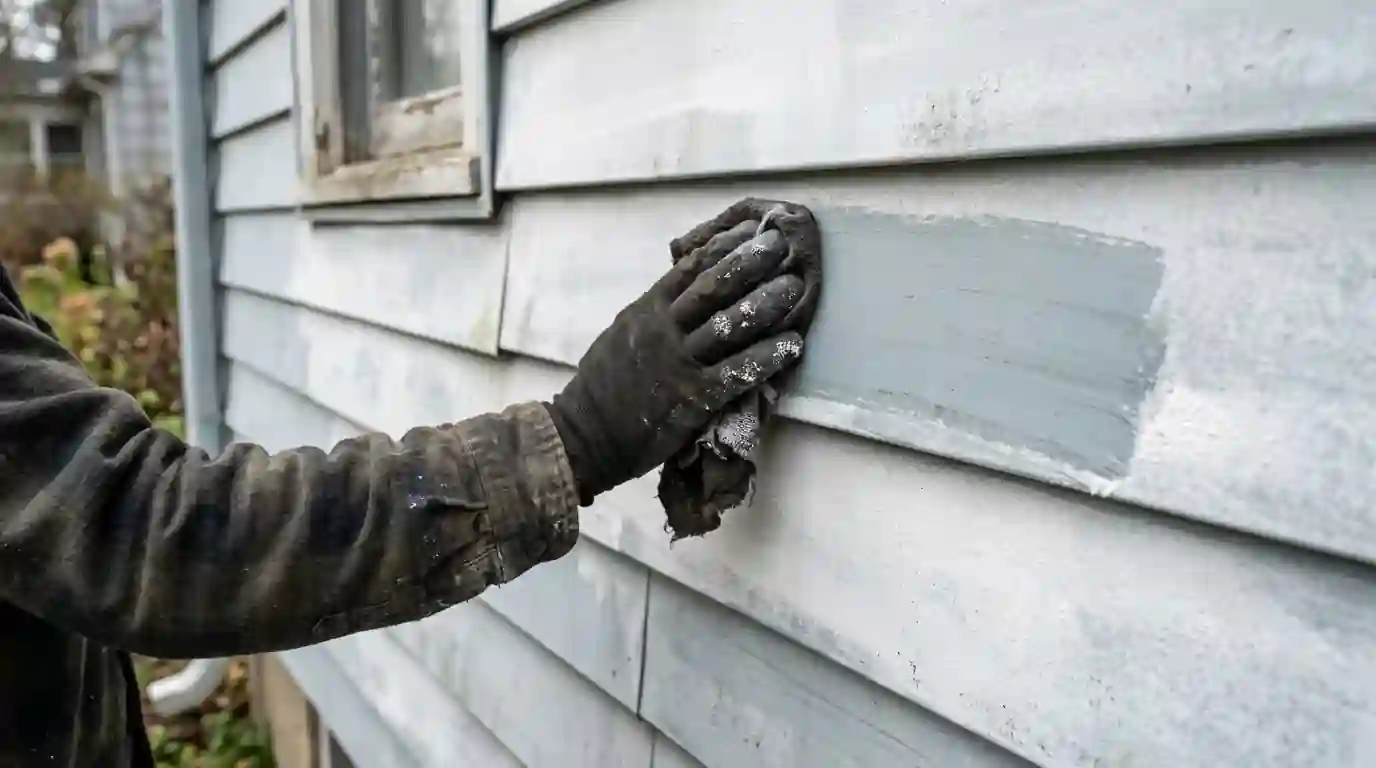
Aluminum siding is washed with a cleaner that removes the chalk, then rinsed and dried; we test by rubbing a hand across it, and if it comes away white, it is not ready. Dents stay dents, but bare metal at scratches and corners gets a metal primer. A quality exterior acrylic then goes on in two coats. Aluminum takes darker colors than vinyl because it does not soften in heat, so the color range is wider. Older aluminum siding often looks nearly new once the chalk is gone and it is repainted.
Vinyl soffit and fascia wraps
Vinyl soffits and aluminum fascia wraps fade along with the siding and look mismatched next to fresh paint. They are cleaned, vent openings are kept clear, and they are painted to match the trim color, again within vinyl-safe limits where the material is vinyl. Aluminum fascia wraps that have pulled away from the board behind them are refastened first, and any rot found behind them is reported before it is covered back up. Gutters can be painted to match at the same visit so the whole roofline reads as one color.
What we see on Atlanta homes
Atlanta summers are the reason color choice matters so much on vinyl here. Long stretches of hot, direct sun on south and west walls heat siding far more than the air temperature suggests, and a color darker than the manufacturer allows can push vinyl panels to warp. On those elevations we stay within the vinyl-safe range, and on aluminum we expect the heaviest chalking on the same sunny sides, so those walls get the most careful wash before any paint goes on.
How vinyl and aluminum siding gets painted
- 1
Check the siding
Material, chalking, damage and manufacturer color limits noted.
- 2
Choose colors
Vinyl-safe options compared on the house.
- 3
Repair
Loose or cracked panels fixed first.
- 4
Wash
Mildew and chalk removed, gentle rinse.
- 5
Dry and prime
Dry days, then primer on bare or weathered spots.
- 6
Paint
Two coats sprayed and back-brushed into the laps.
- 7
Walk around
Every wall checked with you in daylight.
Questions about vinyl and aluminum siding painting in Atlanta
Only within the manufacturer's allowed range, using a vinyl-safe paint line; very dark colors can make vinyl warp.
Rub your hand across it. A white powder means it needs a thorough cleaning before paint.
It can; check the siding warranty first, especially on newer siding.
Many years, when it is clean, the paint is made for vinyl and the color stays in the safe range.
Small dents stay; badly damaged panels can sometimes be replaced with salvaged matching pieces.
Yes. See our exterior house painting page for wood, hardboard and fiber cement.