By Conrad Redmond, Painting Guides Editor. Updated September 2026
Repainting after smoke or fire damage starts only after cleanup and drying. Soot is cleaned from walls and ceilings, every affected surface is sealed with a shellac-based or odor-blocking primer, and two finish coats go on once the primer cures. Rooms that look clean often still hold smoke film, so closets, ceilings and cabinet interiors are sealed too.
Why a quick coat of paint is not enough
Smoke leaves an oily, acidic film that ordinary paint does not grip. The film bleeds yellow-brown through new paint, and the smell returns whenever the house warms up or the air turns humid, which in an Atlanta summer is most days.
That is why the repaint is planned as a sequence: cleanup, cleaning, drying, sealing and then color.
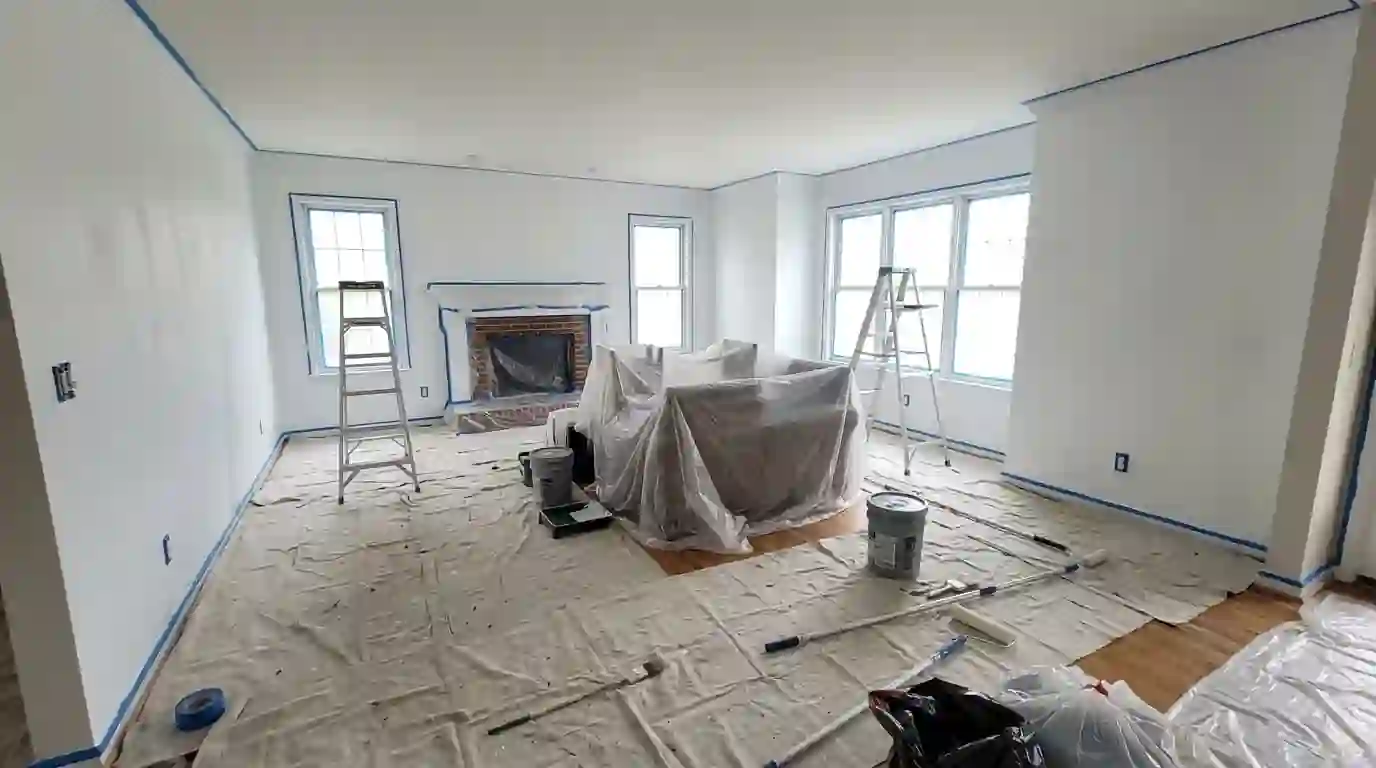
The order of work
Most smoke repaints follow the same steps once the house is safe and any structural repairs are done:
- Remove loose soot with dry sponges and vacuums.
- Clean walls, ceilings and trim with a degreasing cleaner.
- Dry the rooms and check moisture where water was used to fight the fire.
- Seal every affected surface with a shellac-based or odor-blocking primer.
- Apply two finish coats once the primer has cured.
The rooms people forget
Smoke travels. Closets, the backs of cabinets, ceilings above doorways and rooms on other floors can all hold film and odor even when they look clean. Sealing only the visibly stained walls is the most common reason smell comes back months later.
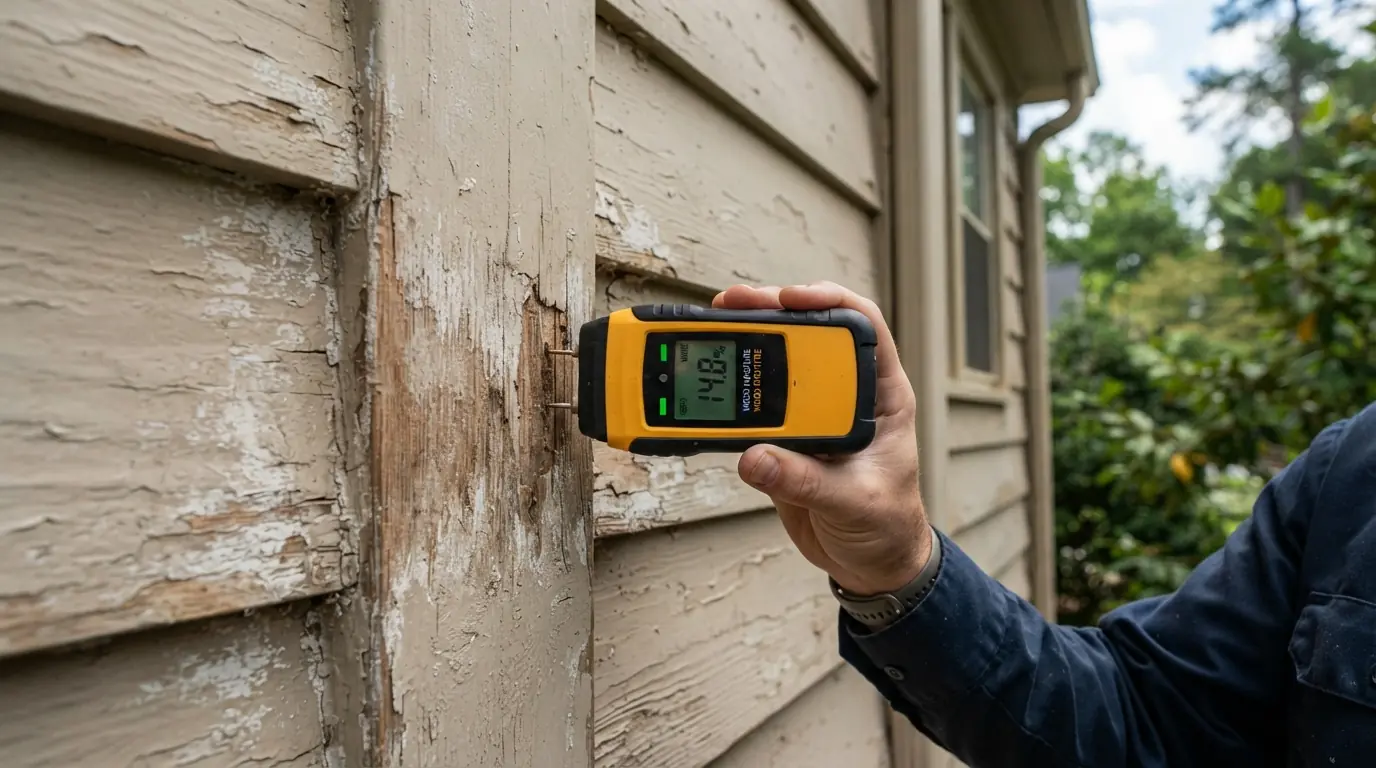
Water from fire hoses or sprinklers can also stain ceilings in rooms the fire never reached; those areas need drying, stain blocking and sometimes new drywall.
Dealing with smoke damage? Call any hour; we will walk the house and give you a written scope room by room.
Call (470) 741-8134Working with an insurance adjuster
If the damage is part of an insurance claim, ask for a written painting scope that lists rooms, surfaces, cleaning, sealing primer and coats. It gives the adjuster something specific to review and makes it easier to compare with the claim. The claim itself stays between you and your insurer.
Timing and expectations
A single room usually takes two to three days once cleanup is done, because sealing primer needs to cure. Larger jobs are planned room by room. See our fire and smoke damage repainting page for the full process, and our drywall repair page for water-damaged walls.
Questions readers ask
After cleanup, drying and any structural repairs are finished.
Smoke film and odor were painted over without cleaning and sealing; a blocking primer prevents it.
Often, yes. Smoke film reaches closets, ceilings and other rooms that look clean.
A shellac-based or odor-blocking primer on every affected surface.
Yes. A written scope lists rooms, surfaces, cleaning, primer and coats.